Generational Remembrance: Why We Remember and/or Forget Past Generations
By Cayden Tran ’28

Graphics by Katy Su ’28
In the age of information, generations are being forgotten. Despite a wealth of information available to humanity, knowledge and true understanding of the past have faded, making way for a generational separation that has fundamentally created a cultural divide. Memorable and traumatic events, some of which are common in America, including 9/11, Hurricane Katrina, Pearl Harbor, and the Vietnam War, have implanted themselves as turning points in generational collective memory. Yet, the very next generation still presents a radical shift from the experiences inevitably lost over time.
A 2015 Czech study, which surveyed three levels (and ages) of education (primary, secondary, tertiary), asked specific questions ranging from the September 11 attacks of 2001 to the Warsaw Pact Invasion of the country in 1968 and the Communist coup d'état of 1948. Students reported a high understanding of the September 11 attacks — newspapers, parents, documentaries, and even knowledge of overarching information such as conspiracy theories — yet fell considerably when faced with the earlier events, usually falling back on half-forgotten school lessons or disconnected anecdotal evidence.
Yet in all three events, students had no firsthand experience. All information, whether from the vast space available through the internet or human stories, must inevitably pass through barriers of communication and, most importantly, the desire to connect to such memories.
After the 2001 terrorist attacks, the phrase “Never Forget” coined around the media across the country and worldwide substantiates the idea of generational remembrance. Yet the phrase seems to clash with the valid trauma carried by the very people who experienced it. Such trauma may make an already difficult conversation feel not worth having, whether in schools or at home. And in such a heated political climate, where acts of sharing opinions may turn hostile, it seems easier to leave yesterday’s history undiscussed.
The natural human desire to create memories takes precedence over the desire to remember. Empathy is inseparable from memory, and therefore, the collective selfishness ingrained in the survival of generations has also molded their memory. And while a major step toward understanding may come from knowledge of one's own roots— such as family— it remains even more difficult to step outside one’s personal life to collectively recognize the cultural significance within each person.
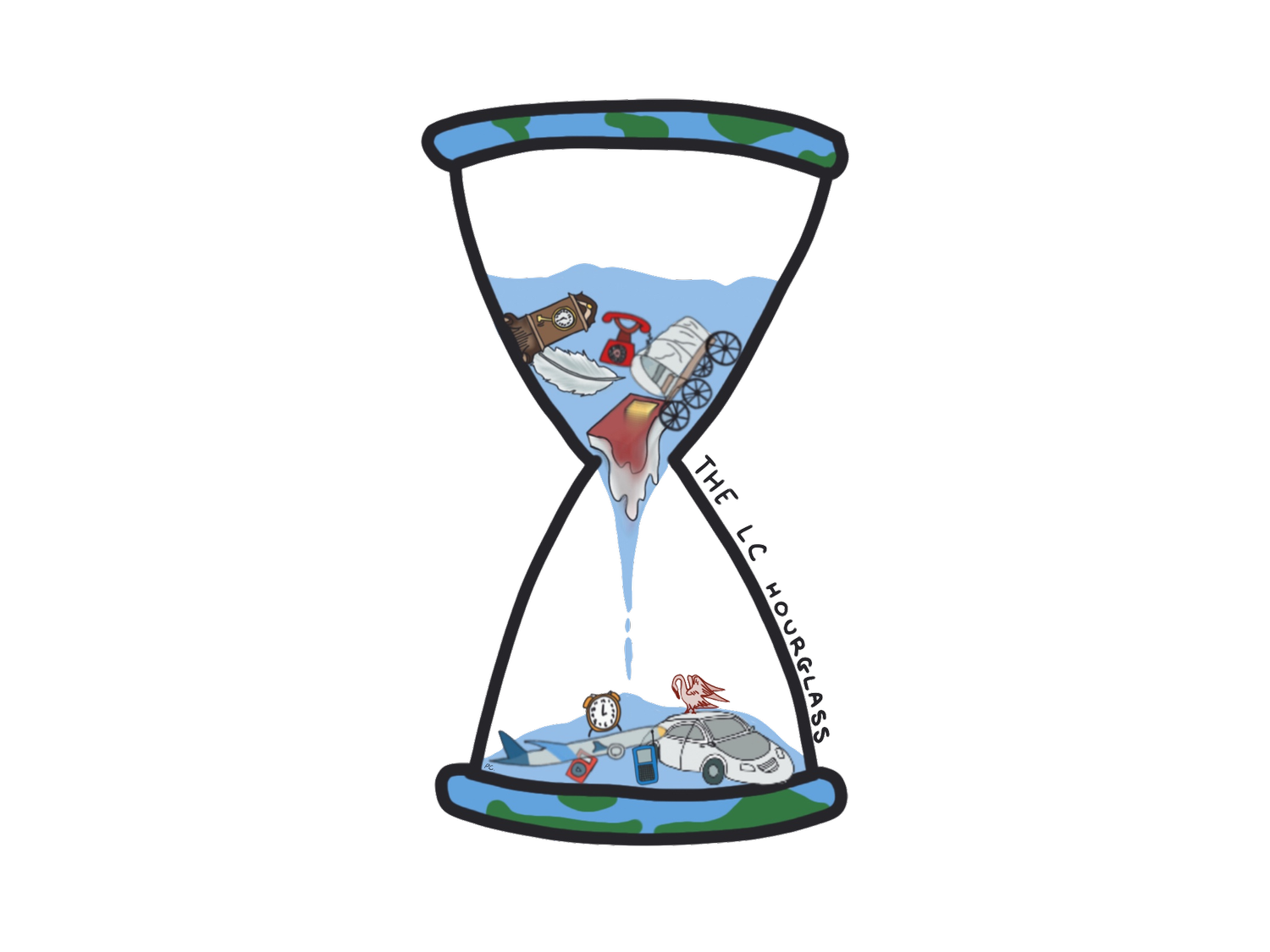
Time, when combined with hesitation, is the ultimate force that weakens memory — it sweeps through the collective memory, which in turn destroys the foundations of understanding and compromise, while the people never notice that they have lost such. When the people accept the perspectives they are given, while never developing their memory of the very events that have built up these ideas, the blind following of ideologies becomes commonplace. The cultural battle shifts from being between generations to being throughout. Remembering is entirely dependent on one’s desire to empathize, to learn, and to complete the circuit for tomorrow’s new people.
References
“How to Talk about 9/11 with a New Generation of Kids.” 2021. NPR. September 9, 2021. https://www.npr.org/2021/09/09/1035454983/how-to-talk-about-9-11-with-a-new-generation-of-kids.
“Remembering While Forgetting.” n.d. Accessed November 15, 2025. https://www.bpb.de/system/files/dokument_pdf/karger_paper.pdf.